Article: Strengthening State Systems So More Taxpayer Funding Serves Students

Across the country, state educational agencies—and taxpayers—are asking:
How do we ensure that every public dollar reaches the students it is intended to serve?
In an era of rising public expectations, heightened scrutiny of government spending, and increasingly complex federal requirements, states are doubling down on the systems that safeguard taxpayer funds. The goal is not only compliance but transparency and accountability.
To ensure that educational programs operate with full integrity, such that families, educators, and communities can trust the systems designed to support them, Southwestern states are taking this responsibility seriously.
With customized support through the Southwest Comprehensive Center’s Operational Excellence portfolio, states are strengthening the operational backbone of their agencies—modernizing oversight, tightening internal controls, and building durable systems that ensure more funding reaches students and families. This is what it looks like when states invest in smart checks and balances.
The Imperative: Strong Systems, Strong Stewardship
State educational agencies manage billions of dollars in public funds each year. Yet the systems that govern procurement, program oversight, and compliance were, in some cases, built decades ago—for a different era, with different risks, different technologies, and different expectations.
Today’s environment demands more.
Families expect transparency. Legislators expect accountability. Districts expect clarity. And taxpayers expect results.
At the request of states in the region, the Southwest CC plays a supportive role. Here is what this looks like in practice.
Every state benefits from having necessary systems in place to protect students, protect dollars, and protect the public trust.

Strengthening Oversight So More Dollars Reach Children
Southwestern states are undertaking major system-strengthening efforts, each designed to ensure that public funds are used effectively, efficiently, and fully aligned with state and federal expectations.
Such projects share a common purpose: to build systems that prevent problems before they occur, to reduce administrative burden, and to ensure that more taxpayer dollars directly benefit students and families. Here are two examples from our work.
Protecting Child Nutrition Funds and Strengthening Oversight
Every day, thousands of children in family day care homes receive nutritious meals and snacks through U.S. Department of Agriculture child nutrition programs, which, in some states, are administered by their departments of education. This unique partnership between federal nutrition programs and state educational agencies creates an important opportunity to support children while ensuring strong stewardship of public resources.
Project Lead Dr. Lila Gutuskey draws on more than 15 years of experience supporting food and nutrition programs.
This work sits squarely at the intersection of our expertise at the Southwest CC in state educational agency administration and federal nutrition programs. Conducting external comprehensive reviews allows us to bring an independent perspective, helping states identify opportunities to strengthen oversight, reduce risk, and better support the children and families these programs serve.
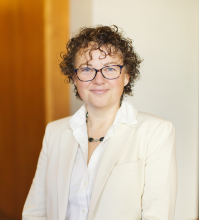
To prevent fraud and noncompliance in complex programs with so many participating organizations, Dr. Gutuskey notes that states must address vulnerabilities by:
- Establishing clear, well-documented policies and procedures
- Confirming that program requirements are consistently followed in practice
- Strengthening oversight and accountability to protect public resources
With Southwest CC’s support, states are conducting timely, comprehensive reviews of program operations to identify and then address areas for improvement, including:
- Reviewing existing documentation to assess alignment with federal requirements and program expectations
- Conducting process mapping sessions and focus groups with state staff and program partners to identify gaps between documented procedures and day-to-day operations
- Developing actionable recommendations to strengthen program oversight, compliance, and operational effectiveness
While the focus of this work is child nutrition, the underlying challenge is familiar across state government: ensuring that policies, procedures, and oversight mechanisms function as intended. By strengthening these systems, states can help ensure federal funds translate to nutritious meals children depend on every day. The same principles of accountability, risk management, and operational effectiveness are equally important in other areas of state administration, including procurement and vendor management.
Procurement Review: Streamlining Processes and Reducing Risk
“Procurement is a process of obtaining goods and services from external suppliers,” explains Southwest CC Project Lead Anthony Mukuna. “Vendor procurement in general is one of the most consequential—and most complex—functions within any state agency fiscal accountability system.”
When procurement systems are unclear or outdated, agencies face increased risk of audit findings, delays, inefficiencies, waste, and abuse that can negatively impact the availability of resources for students.
The Southwest CC is helping states tackle this challenge head-on. For example, though state procurement policies and procedures evolve over time, that evolution is not always in ways that reflect current state and federal requirements, Mukuna reports.
“When new teams come in to run procurement, and when regulations shift,” he says, “ideally, states will have confidence in their systems to keep up with evolving challenges.”
Comprehensive Centers help instill such confidence, working with states, for example, to quickly:
- Diagnose current practices
- Review alignment with state and federal rules
- Streamline a standardized procurement workflow
- Reduce risk of noncompliance
Upon state request, Southwest CC may conduct a timely comprehensive “mock review” and gap analysis. This entails:
- Examination of state procurement statutes, rules, policies, and procedures
- Staff interviews to understand real world practices
- Identification of inconsistencies, inefficiencies, risk of noncompliance, and vulnerabilities
- Development of a prioritized action plan to increase effectiveness while streamlining processes
This capacity-building work helps states standardize procurement workflows across program, finance, and executive offices. Stronger internal controls reduce the risk of future audit findings. And mature, stable procurement frameworks can withstand leadership and staff transitions as well as policy and regulatory changes.
We want to help states to implement procurement systems in line with federal and state’ requirements and maximize the interest of students and families in the school system, so dollars move efficiently to the classrooms and communities they are meant to serve.

Why This Work Matters
Strengthening state systems is not about adding layers of bureaucracy. It is about removing friction, reducing risk, and ensuring that public dollars deliver public value.
When oversight systems are strong:
- More dollars reach students
- Fewer dollars are lost to inefficiency or noncompliance
- Districts experience less administrative burden
- Programs operate with greater integrity
- The public has greater trust in state agencies
This quiet, essential work opens up resources that can directly support students and teachers.
The Future: Systems That Protect, Support, and Deliver
Across the Southwest, Comprehensive Center partnerships are helping states build the operational infrastructure needed to deliver on their missions.
“When systems are strong, students benefit,” Jurgensen says. “When oversight is clear, taxpayer dollars go further. And when agencies operate with integrity and efficiency, public trust grows.”